
The Japanese aesthetic, renowned for its minimalist beauty and harmony with nature, finds a captivating expression in cactus planters. This unique fusion blends the spiky allure of cacti with the serene principles of Japanese design, creating a tranquil and visually striking display. From carefully chosen color palettes to the precise arrangement of planters, every detail contributes to a sense of balance and tranquility, transforming any space into a miniature Zen garden.
This exploration delves into the nuanced world of Japanese cactus planter aesthetics, examining the key design elements, material choices, and cultural influences that shape this unique style. We’ll explore the diverse planter styles, decorative elements, and color combinations that bring this aesthetic to life, ultimately showcasing how to cultivate a truly captivating and harmonious display.
Defining the Aesthetic
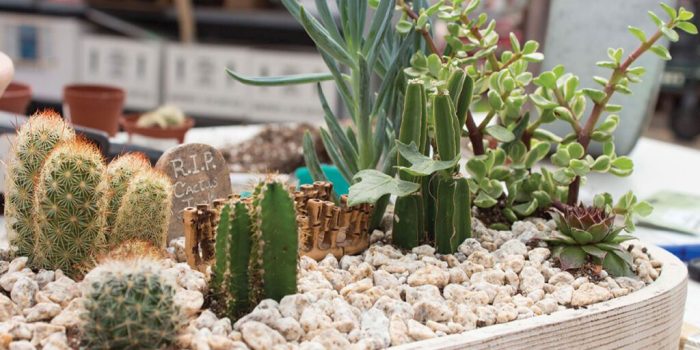
The Japanese cactus planter aesthetic blends the hardy, often spiky beauty of cacti with the serene minimalism and refined artistry of Japanese design principles. This unique style prioritizes visual harmony, natural textures, and a sense of understated elegance, creating a tranquil and visually captivating display. The aesthetic draws inspiration from the meticulous attention to detail inherent in Japanese design traditions, such as bonsai and ikebana, while embracing the distinctive characteristics of cacti.
Visual Elements and Design Principles
This style prioritizes asymmetry and natural forms, avoiding rigid geometric patterns. Emphasis is placed on the unique textures and shapes of different cactus varieties. The planters themselves are often simple and unadorned, allowing the cacti to be the focal point. The space surrounding the planter is carefully considered, with negative space playing a significant role in highlighting the plant and its details.
Natural light and shadow are valued, creating depth and dynamism in the display. This approach often leads to a feeling of calmness and tranquility.
Color Palettes
The color palettes commonly used reflect the natural tones of the desert environment and incorporate the calming hues found in Japanese aesthetics. Earthy tones, such as muted greens, grays, browns, and beige, are frequently employed, creating a harmonious and subdued atmosphere. Accents of muted pinks, creams, and soft yellows may be used to subtly enhance the display without overpowering the overall serenity.
Variations in the shade and tone of these colors are important for achieving a natural and dynamic look.
Materials
Planters for this aesthetic often use materials that complement the natural forms of the cacti. Ceramics, with their smooth textures and muted colors, are a popular choice. Natural materials like wood, particularly in light and neutral tones, provide a warm and inviting contrast to the cacti’s sharp lines. Recycled materials, such as repurposed metal containers or reclaimed wood, are also increasingly incorporated to emphasize sustainability and the unique character of the materials.
The material selection is crucial in establishing a visual connection between the planter, the cactus, and the surrounding environment.
Cultural Influences
The Japanese cactus planter aesthetic draws significant inspiration from the traditional Japanese appreciation for nature and the concept of wabi-sabi, which emphasizes the beauty of imperfection, asymmetry, and the natural passage of time. This philosophy finds resonance in the rugged beauty of cacti, contrasting their strength with the delicate grace of the arrangement. The emphasis on minimalism and natural forms aligns with Japanese design principles that prioritize simplicity and harmony.
The use of natural materials and understated colors further reinforces this connection to the natural world, reflecting the deep-rooted Japanese respect for the environment.
Planter Styles and Shapes
Japanese-inspired cactus planters offer a unique blend of aesthetics and practicality. Their design draws inspiration from centuries-old traditions of minimalism, natural beauty, and symbolic representation, creating a tranquil and inviting atmosphere. The careful selection of materials and shapes is crucial to achieving the desired aesthetic.These planters are not merely containers; they are artistic statements, reflecting a deep appreciation for nature’s resilience and the elegance of simplicity.
The shapes and materials chosen evoke a sense of serenity, often aligning with the principles of Zen gardens, highlighting the beauty of imperfection and natural forms.
Planter Materials
Different materials contribute unique qualities to a Japanese cactus planter, each with its own charm and practicality. The choice of material should complement the overall aesthetic and consider the cactus species’ needs.
| Material | Dimensions (Approximate) | Suggested Cactus Types | Aesthetic Considerations |
|---|---|---|---|
| Ceramic | 6-24 inches in height and diameter, depending on the style | Small to medium-sized cacti, succulents | Earthy tones, smooth surfaces, delicate glaze |
| Wood | 8-20 inches in height and width, depending on the type of wood and design | Medium to large cacti with sturdy root systems, succulents | Natural wood grain, warm tones, simple lines |
| Stone | 10-30 inches in height and diameter, depending on the stone type and size | Larger cacti, those with strong, established roots, some succulents | Earthy tones, rough textures, natural forms |
Planter Shapes
The form of the planter plays a significant role in achieving the desired aesthetic. The shape should harmonize with the overall design and the natural contours of the cacti housed within.
| Shape | Aesthetic Considerations | Examples |
|---|---|---|
| Round | Evokes a sense of wholeness and harmony, often associated with natural forms. | A round ceramic planter with a subtle glaze, showcasing a cluster of small cacti. |
| Square/Rectangular | Emphasizes structure and balance, offering a sense of order. | A low rectangular wooden planter with a natural finish, holding a columnar cactus. |
| Asymmetrical | Creates an organic and dynamic feel, inspired by natural forms. | A stone planter with an irregular shape, highlighting a sculptural cactus. |
Combining Planters
Creating a cohesive display involves careful consideration of size, shape, and material. A visually appealing arrangement respects the principles of balance and harmony.
A collection of varying sizes and materials can be visually appealing when arranged in a way that creates a sense of flow and unity. Consider the visual weight of each planter and its placement in relation to other elements in the display. For example, a large, heavy stone planter can be placed as an anchor, with smaller, lighter planters arranged around it to balance the composition.
Arrangement Principles
The arrangement of planters within a space should reflect Japanese gardening principles, such as the use of negative space and the emphasis on natural forms. The placement should not only showcase the cacti but also the surrounding environment.
Japanese gardens, particularly Zen gardens, often utilize principles of asymmetry and balance to create a sense of serenity. This can be achieved by placing planters at different heights and angles to create visual interest, while maintaining a sense of harmony with the surrounding space.
Traditional Motifs
Incorporating traditional Japanese motifs into the planter enhances the overall aesthetic. These motifs often draw inspiration from nature and symbolic representation.
- Nature motifs: Representations of mountains, water, trees, and flowers often appear in the design. For instance, a planter featuring a subtly carved mountain range design on its surface would be a fitting example.
- Symbols: Symbols like the crane, pine tree, and bamboo often represent longevity, strength, and resilience, which can be subtly integrated into the planter’s design.
- Patterns: Traditional Japanese patterns like washi paper patterns or subtle designs mimicking nature’s patterns are highly effective in creating an authentic aesthetic.
Decorative Elements
The Japanese aesthetic, when applied to cactus planters, elevates the design beyond mere function. Careful selection of complementary elements is crucial to evoke a sense of tranquility and harmony, mirroring the principles of Japanese Zen gardens. This involves understanding the balance between the cactus’s unique texture and form and the supporting decorative elements.Japanese-inspired accessories, from meticulously placed rocks to miniature figurines, act as subtle focal points, drawing the eye and adding depth to the composition.
Strategic placement and lighting play a significant role in amplifying the visual impact, creating a miniature landscape that resonates with the serenity of Japanese aesthetics.
Complementary Decorative Elements
A range of complementary decorative elements can enhance the aesthetic of a Japanese cactus planter. These should complement the cactus’s natural beauty, not overshadow it. Examples include carefully chosen rocks, gravel, and small, intricately designed figurines, ideally crafted from natural materials like wood or ceramic. These elements can be positioned in a manner that echoes the natural contours of the cactus or creates a sense of a miniature landscape.
Types of Japanese-Inspired Accessories
The choice of Japanese-inspired accessories significantly impacts the overall aesthetic. Rocks, carefully selected for their texture and shape, can represent mountains or islands in a miniature landscape. Gravel, in various shades of gray or brown, can evoke the feeling of a serene forest floor or a dry riverbed. Miniature figurines, often depicting traditional Japanese scenes or animals, add a touch of cultural context.
Lighting Techniques
Proper lighting is essential for showcasing the beauty of the cactus planter. Soft, diffused light, like that from a nearby floor lamp or strategically placed string lights, can highlight the unique textures and forms of the cacti. Avoid harsh overhead lighting, which can wash out the details and create unwanted shadows. Consider using a warm-toned light source, which will enhance the natural hues of the planter and its contents.
Role of Natural Elements
Integrating natural elements further reinforces the Japanese aesthetic. This could involve using real twigs, small branches, or dried flowers to create a more organic and natural feel. This approach emphasizes the connection between the planter and the natural world, creating a serene and tranquil atmosphere.
Principles of Negative Space
Negative space, the empty areas around the planter’s contents, is crucial for achieving visual balance and harmony. Allowing sufficient negative space between the cactus, rocks, and other elements prevents the planter from feeling cluttered or overwhelming. The empty space allows the eye to appreciate the individual elements and the overall composition, much like the concept of “ma” in traditional Japanese art.
Color and Texture Combinations
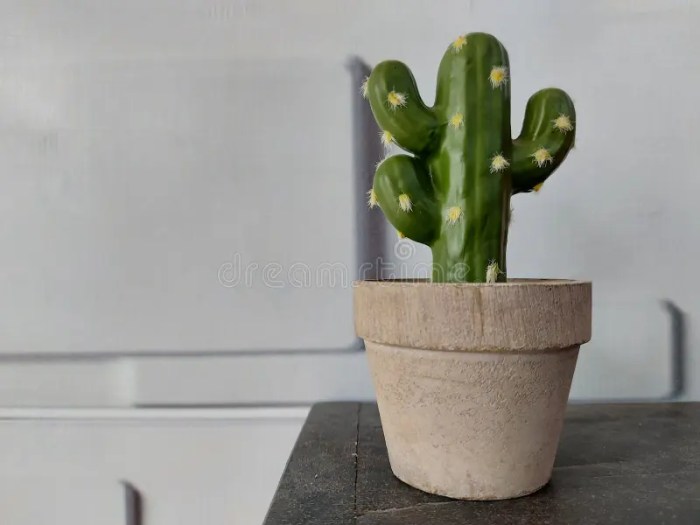
Cultivating a harmonious blend of color and texture is crucial for Japanese-inspired cactus planter designs, evoking a sense of tranquility and natural beauty. The aesthetic draws inspiration from the Japanese appreciation for minimalism, simplicity, and the interplay of contrasting elements within nature. This delicate balance is reflected in the selection of colors and textures, which contribute to the overall visual appeal and sense of serenity.Japanese design philosophy prioritizes a calm and balanced aesthetic, often emphasizing natural tones and subtle contrasts.
This translates directly to the choice of colors and textures for cactus planters, where the goal is to complement the cactus’s unique characteristics and highlight its inherent beauty rather than overpowering it.
Color Harmony in Japanese Cactus Planters
Color harmony plays a vital role in creating a cohesive and aesthetically pleasing design. A well-chosen color palette can enhance the visual appeal of the cactus and the planter, while a poorly chosen one can detract from the overall effect. The harmony in Japanese aesthetics often relies on the use of complementary colors, where colors positioned opposite each other on the color wheel are used.
This creates a dynamic yet balanced visual experience.
Contrasting and Complementary Color Schemes
Examples of contrasting color schemes include pairing deep greens with muted browns or earthy terracotta with silver. Complementary schemes might use shades of blues and oranges, or muted purples and yellows. The specific choice depends heavily on the cactus variety, its natural color, and the overall mood desired for the planter. For example, a prickly pear cactus with its reddish tones would look striking against a dark-green planter with light-gray accents.
Role of Textures in Creating Depth
Texture is an equally important element in adding depth and visual interest to the design. The tactile quality of the materials, whether rough, smooth, or natural, contributes significantly to the overall sensory experience. Incorporating different textures helps to create a layered effect, drawing the viewer’s eye and adding dimension to the minimalist aesthetic.
Common Textures in Japanese Aesthetics
Common textures associated with Japanese aesthetics include smooth, natural, and rough finishes. Smooth surfaces, like polished wood or glazed ceramics, evoke a sense of tranquility. Natural textures, like the varied hues and patterns of unpolished wood or stone, create a sense of warmth and authenticity. Rough textures, like unrefined bark or stone, add a touch of earthy dynamism. These textures create a dialogue between the planter, the cactus, and the surrounding environment.
Table: Comparing Color Palettes for Cactus Planters
| Color Palette | Description | Suitable Cactus Types | Visual Effect |
|---|---|---|---|
| Earthy Tones (Brown, Beige, Green) | Neutral and natural colors, often found in nature. | Cacti with muted colors, such as desert succulents or those with subtle color variations. | Calming and grounded, evoking a sense of tranquility and connection with nature. |
| Muted Blues and Greens | Subtle and calming shades, reflecting the serenity of nature. | Cacti with muted or gray-green tones, or those that contrast well with these colors. | Serene and peaceful, creating a relaxing ambiance. |
| Contrasting Colors (e.g., Red, Gray, Black) | Bold yet balanced contrasts, drawing attention to the cactus. | Cacti with vibrant colors, like prickly pears or those with striking color patterns. | Dynamic and eye-catching, creating a bold statement. |
Cactus Species and Selection
Cultivating a Japanese-inspired cactus garden demands careful selection. The aesthetic prioritizes minimalism, natural forms, and the interplay of textures and colors. Choosing the right cactus species is crucial to achieving this harmonious blend. The visual appeal, growth characteristics, and maintenance requirements must align with the design vision.
Visual Appeal and Size Considerations
Selecting cacti for a Japanese planter requires a keen eye for aesthetic harmony. The size and shape of the cactus play a vital role in achieving the desired visual effect. For example, a small, globular cactus with vibrant spines will present a stark contrast to a tall, columnar variety. Consider the overall scale of the planter when making your selection.
A larger planter can accommodate larger cacti with more substantial growth patterns.
Shape and Form Alignment with Minimalism
The minimalist aesthetic of Japanese design values simplicity and natural forms. Cacti with clean, geometric shapes, like the Mammillaria or Echinocactus, often translate well to this style. The sculptural quality of certain cacti, such as the Ferocactus, with their distinct ribbed structures, also enhances the minimalist appeal. Avoid cacti with overly intricate or dense patterns, as these can disrupt the visual harmony.
Color and Texture Combinations
Consider the interplay of color and texture in your cactus selection. For instance, the muted tones of Opuntia varieties or the pale, almost white, spines of certain Gymnocalycium species create a sense of serenity, aligning with the tranquility of Japanese aesthetics. Contrast in texture is also important; the smooth, fleshy pads of some cacti provide a different feel compared to the spiky, radiating spines of others.
Species Examples for Japanese Planters
- Mammillaria: Known for their small, globular shapes and often vibrant colors, Mammillaria species are excellent choices for smaller planters or as accents. Their compact growth makes them easy to integrate into various designs.
- Echinocactus grusonii (Golden Barrel Cactus) : The distinct barrel shape of the Golden Barrel Cactus, combined with its striking golden-brown hues, offers a bold, yet balanced, presence in a planter. The inherent sculptural quality complements a minimalist design.
- Ferocactus: The ribbed, columnar forms of certain Ferocactus species exhibit a strong sculptural quality, appealing to a Japanese aesthetic. The contrasting textures between the ribs and spines contribute to a visual interest.
- Opuntia: The flattened pads and muted tones of Opuntia varieties provide a subtle, earthy presence in a planter. Their low-growing nature is ideal for creating a natural, cascading effect.
- Gymnocalycium: Certain Gymnocalycium species feature pale spines and a smooth texture, providing a soft contrast to other more spiky varieties. Their overall delicate appearance harmonizes with the Japanese aesthetic’s appreciation for subtle beauty.
Environmental Considerations and Care
Selecting cacti that thrive in your specific microclimate is essential for their long-term health and beauty. Consider factors like sunlight exposure, temperature variations, and humidity levels. Research the specific needs of the chosen cactus species before making a purchase.
Appropriate Care and Maintenance
Maintaining the health and vibrancy of your cacti requires consistent care. Different species have varying water and light requirements. Ensure you provide the proper amount of sunlight, water, and drainage. Proper potting mix and appropriate fertilization are also crucial for healthy growth. Thorough research and adherence to the specific needs of each cactus species will lead to a thriving and aesthetically pleasing collection.
Arrangement and Display
Japanese interior design, with its emphasis on minimalism and harmony, offers a unique framework for showcasing cactus planters. Careful arrangement is key to maximizing the visual impact of these desert gems, incorporating principles of negative space, varying heights, and the overall aesthetic of the surrounding environment. This approach transforms the planter from a simple container to a focal point that reflects the balance and tranquility inherent in Japanese design.The careful arrangement of cactus planters in a space mirrors the Japanese concept of “ma,” or negative space.
This intentional void allows the plants and planters to stand out, highlighting their individual beauty and emphasizing the overall harmony of the design. A strategically placed planter, with the appropriate surrounding elements, can create a miniature desert oasis within the home or garden. This focus on the plant’s natural form is a cornerstone of Japanese aesthetics.
Varying Heights and Depths for Visual Interest
Creating depth and visual interest is paramount in any arrangement. Employing planters of varying heights and depths not only adds dimension but also introduces a sense of dynamic equilibrium. Consider a tall, slender planter with a miniature cactus nestled within, juxtaposed against a squat, wider pot filled with a more substantial specimen. This contrasts, rather than clashes, to create a visually stimulating display.
This technique draws the eye across the entire composition, emphasizing the individual characteristics of each cactus.
Significance of Negative Space
Negative space, or the empty areas surrounding the planters, is crucial to the overall composition. It allows the cactus to be the focal point, highlighting its unique textures and forms. Overcrowding a space with planters can diminish the impact of each individual plant. A strategic use of negative space creates a sense of calm and serenity, aligning with the principles of Japanese design.
An empty space, thoughtfully positioned, can be as important as a filled one.
Considering the Surrounding Environment
The surrounding environment plays a critical role in the arrangement. Natural elements, like bamboo accents, wood-toned tables, and strategically placed rocks, can complement the cactus’s desert aesthetic. These natural elements establish a seamless connection between the interior and the natural world, a key principle in Japanese design. A muted color palette, reflecting the earth tones of the desert, further enhances the visual harmony.
Similarly, consider the existing decor; a minimalist setting will be more appropriate for a collection of cacti in sleek, modern planters, whereas a more traditional room might benefit from more ornate planters and larger, visually appealing cacti.
Display Options for Planters
| Display Location | Arrangement Considerations |
|---|---|
| Indoor (e.g., living room, entryway) | Consider the existing lighting, furniture arrangement, and color scheme of the room. Smaller planters placed on side tables or shelves can create a subtle focal point. A larger, more dramatic planter might act as a statement piece. |
| Outdoor (e.g., patio, garden) | Choose planters that are weather-resistant. Consider the surrounding foliage and landscape design. Group planters of varying sizes and heights to create a natural-looking display. |
| Balcony or Terrace | Use planters that are suitable for outdoor use, or create a mini-desert oasis with a mix of cacti, succulents, and decorative rocks. Ensure planters have proper drainage. |
| Corner Display | Position a planter in a corner to create a focal point and add depth to the room. Choose a planter that is proportioned to the size of the corner, to avoid visual clutter. |
Inspiration from Japanese Gardens
Japanese gardens, renowned for their serenity and meticulous design, offer a wealth of inspiration for crafting cactus planters that evoke a sense of tranquility and harmony. Their emphasis on minimalism, natural elements, and careful arrangement translates seamlessly into the unique aesthetic of cactus planters, enriching the visual experience and elevating the overall design. The principles of Japanese gardens, such as the use of carefully placed rocks, water features, and strategically chosen plants, can be adapted to create visually captivating and emotionally resonant cactus displays.Japanese garden design principles often center around creating a microcosm of nature, emphasizing the beauty of simplicity and the interplay of different elements.
This approach, focusing on natural forms and subtle contrasts, resonates with the aesthetic appeal of cactus planters, which already showcase the stark beauty of desert landscapes. The incorporation of Japanese elements can enhance the visual interest and emotional impact of a cactus planter display.
Influence of Japanese Garden Design Principles
The influence of Japanese garden design principles on cactus planters is evident in the deliberate arrangement of cacti, mirroring the careful placement of rocks and plants in traditional Japanese gardens. The concept of “wabi-sabi,” appreciating the beauty of imperfection and impermanence, is subtly reflected in the natural variations of cactus shapes and textures, creating a unique and aesthetically pleasing arrangement.
This appreciation for natural imperfections complements the inherent beauty of cacti.
Incorporating Japanese Garden Elements
Several elements from Japanese gardens can enhance cactus planters. The strategic placement of rocks, evoking the appearance of miniature mountains or islands, can create visual interest and a sense of depth. Small, carefully selected water features, such as miniature waterfalls or ponds, can introduce a calming element, mirroring the tranquility found in Japanese gardens. These elements can be used to delineate different zones within the planter, further enhancing the visual composition.
The use of carefully chosen stones and gravel, mimicking the textures of natural landscapes, can bring an authentic touch of Japanese aesthetic to the cactus display. The interplay of light and shadow among the rocks and plants, a crucial element in Japanese gardens, can be highlighted in a cactus planter by choosing cacti with varying textures and shades of green.
Creating Tranquility and Harmony
Achieving tranquility and harmony in cactus planter arrangements draws inspiration from the principles of Japanese gardens. Creating a sense of balance and harmony requires careful consideration of the arrangement, ensuring a well-proportioned composition. Employing the principles of negative space, allowing for areas of emptiness and allowing the eye to rest, enhances the overall aesthetic. The use of carefully selected colors and textures, echoing the muted tones and natural textures of Japanese gardens, further contributes to the tranquil atmosphere.
By mimicking the interplay of nature’s elements, including rocks, water, and plants, the cactus planter design can create a serene and captivating display.
Modern Interpretations of the Aesthetic
The traditional Japanese aesthetic, often emphasizing minimalism and natural harmony, finds fresh expression in modern cactus planter designs. This fusion blends the enduring appeal of succulents with contemporary design sensibilities, pushing boundaries while honoring the core principles of the style. Modern interpretations embrace a wider palette of materials, shapes, and artistic influences, offering unique ways to cultivate a tranquil and visually engaging space.Contemporary design elements are increasingly incorporated into cactus planter designs, reflecting a broader trend of blending traditional and modern aesthetics.
This fusion creates a dynamic interplay between classic principles and innovative approaches. For instance, geometric shapes, often seen in minimalist design, can be combined with the organic forms of cacti to produce a visually striking contrast.
Incorporation of Contemporary Design Elements
Contemporary design elements, such as clean lines, geometric shapes, and the use of unexpected materials, are transforming the traditional Japanese aesthetic for cactus planters. The use of sleek metal stands, sculptural ceramic bases, or even repurposed materials like reclaimed wood can add a modern twist to a traditional design. These modern interpretations often feature bold contrasts, such as the juxtaposition of smooth, polished surfaces with the prickly texture of cacti.
The effect is a striking visual narrative that resonates with modern sensibilities.
Unconventional Materials in Modern Planter Designs
Modern interpretations often explore unconventional materials to create unique planter designs. Reclaimed wood, repurposed metal, or even industrial-style elements like pipes or salvaged bricks can be incorporated into the planters, lending an air of rustic charm or an industrial edge. These materials, when paired with cacti, offer a dynamic contrast in textures and tones. For example, a planter made from a repurposed metal bucket with a weathered patina, paired with a collection of air plants, creates a rustic yet sophisticated display.
This fusion of old and new materials is a defining feature of modern interpretations.
Impact of Artistic Styles on Design
The impact of various artistic styles on cactus planter designs is significant. Minimalism, with its emphasis on clean lines and uncluttered spaces, can lead to sleek, geometric planters showcasing a limited color palette. Sculptural elements, inspired by modern art, might be incorporated into the planters themselves, adding a three-dimensional dimension to the display. Furthermore, the incorporation of abstract or biomorphic forms, drawing inspiration from nature, can further enhance the visual appeal of the cactus planters.
For example, a planter shaped like a stylized rock formation can highlight the natural beauty of the cacti while adding a touch of modern artistry.
Elements for a Unique Aesthetic
To make the Japanese cactus planter aesthetic unique, several elements can be considered:
- Unusual Cactus Species: Incorporating rare or unusual cactus varieties can elevate the design. For example, incorporating a unique species of columnar cactus with striking coloration or a variegated variety of succulents can add visual interest.
- Non-traditional Color Palettes: While muted tones are common, experimenting with bolder colors and color combinations can create a more modern and striking look. Pairing deep greens with warm oranges, for instance, or using a contrasting black and white scheme can produce a visually exciting design.
- Lighting Integration: Strategic use of lighting can dramatically enhance the display. Incorporating ambient lighting, spotlights, or LED strips can highlight the textures and shapes of the cacti and planters, creating a captivating visual effect.
- Textural Contrasts: Using materials with contrasting textures adds depth and visual interest. Pairing the prickly texture of cacti with smooth, polished surfaces, or rough-hewn wood with delicate ceramic, creates a dynamic interplay that adds richness.
- Interactive Displays: Incorporating elements that invite interaction, such as transparent planters that allow the roots to be viewed or strategically placed pebbles to enhance drainage, can add a unique dimension.
Crafting a Japanese-Inspired Planter
Cultivating a Japanese-inspired planter transcends mere decoration; it embodies a philosophy of minimalism and harmony with nature. This approach prioritizes the natural beauty of the cactus, emphasizing its unique forms and textures while complementing the serenity of the surrounding environment. The planter itself becomes a microcosm of a Zen garden, inviting contemplation and appreciation for the subtle artistry of nature.This meticulous crafting process allows for a deeper connection with the plant and the aesthetic, transforming the planter into a meditative space.
The careful selection of materials and the precise execution of techniques contribute to the overall tranquility and sophistication of the final product.
Materials and Tools
The materials and tools required for crafting a Japanese-inspired planter will depend on the specific style chosen. A key consideration is the use of natural, sustainable materials, aligning with the ethos of Japanese aesthetics.
- Wood: Choose sustainably sourced wood, like cedar or pine, for its natural beauty and subtle scent. Consider reclaimed wood for an added layer of character and environmental consciousness.
- Stone: Natural stones, such as river stones or polished granite, add visual texture and grounding to the planter. Select stones that complement the cactus species chosen.
- Metal: Wrought iron or copper can be used for accents, creating intricate latticework or decorative elements. The metal should be in a subdued tone to not overpower the other materials.
- Pottery: For a more traditional Japanese aesthetic, select unglazed or lightly glazed pottery, highlighting the natural color and texture of the clay.
- Tools: A variety of tools are necessary, including saws, chisels, sandpaper, drills, and possibly a grinder for metalwork. Consider hand tools for a more traditional approach, or power tools for efficiency.
Crafting Techniques
A meticulous approach is vital in shaping and decorating the planter. The goal is to create a space that subtly highlights the beauty of the cactus without overshadowing it.
| Technique | Description |
|---|---|
| Wood Carving | Sculpting the wood to achieve the desired planter shape. Employ precise cuts and sanding to achieve a smooth, natural finish. |
| Stone Arrangement | Carefully selecting and positioning stones to create a visually appealing and balanced composition, mimicking the arrangements in traditional Japanese gardens. |
| Metalwork | Crafting intricate metal accents or supports, such as lattices or decorative brackets, for added visual interest. |
| Pottery Selection | Choosing a planter with a form that complements the selected cactus species, such as a shallow dish for succulents or a taller vase for taller cacti. |
Creating a Natural Aesthetic
The goal is to create a harmonious balance between the planter and the cactus. Uncluttered space allows the natural beauty of the cactus to shine.
- Minimalism: Avoid excessive ornamentation. Focus on simple lines and clean shapes.
- Natural Materials: Prioritize the use of natural materials like wood, stone, and clay, emphasizing their natural textures and tones.
- Negative Space: Allow for ample negative space around the cactus to highlight its form and allow for natural growth.
- Subtle Color Palette: Choose a muted color palette that complements the cactus’s natural hues. Avoid overly vibrant colors that might detract from the overall aesthetic.
Creating a Planter Display Space
Crafting a captivating display for Japanese-inspired cactus planters goes beyond simply placing them. The surrounding environment plays a crucial role in amplifying the aesthetic’s serene beauty and highlighting the plants’ unique character. Careful consideration of light, furniture, textures, and colors creates a harmonious whole.The interplay between the planters and their environment is paramount. Well-chosen elements elevate the space, transforming it into a tranquil oasis.
Effective use of natural light, the right furniture, and thoughtful color palettes are key components in achieving this effect. Furthermore, textures and patterns contribute significantly to the overall atmosphere, enhancing the space’s visual appeal.
Designing the Space
Creating a harmonious environment involves a nuanced approach to design. The space surrounding the planters should complement their minimalist aesthetic. Avoid overwhelming the planters with excessive décor. Instead, focus on highlighting their beauty with carefully selected elements. Creating a sense of spaciousness and tranquility enhances the overall experience.
Utilizing Natural Light
Natural light is essential in a Japanese-inspired setting. South-facing windows, for instance, provide ample, warm light, perfectly illuminating the delicate spines and textures of the cacti. Strategic placement of planters near windows maximizes the natural light’s impact, enhancing the plants’ visual appeal. Careful consideration of the angle and intensity of sunlight is key. Direct sunlight can be beneficial, but intense midday sun should be avoided, as it could damage the cacti.
Indirect light through sheer curtains or blinds offers a softer, more diffused illumination.
Selecting Furniture and Decor
The choice of furniture and decor should echo the serenity of a Japanese garden. Low, minimalist benches or tatami mats provide seating areas for contemplation and appreciation. Wooden elements, like low tables or stands, offer a natural and harmonious backdrop. The furniture should be simple and uncluttered, allowing the planters to take center stage. Avoid anything that detracts from the aesthetic’s serene essence.
Consider light-colored wooden furniture to create a feeling of openness.
Color and Texture Combinations
Color palettes should be muted and harmonious, evoking the tranquility of a Japanese garden. Earthy tones, such as beige, cream, and muted greens, work exceptionally well. These colors enhance the natural beauty of the cacti. Natural materials like bamboo, stone, and wood contribute to the overall aesthetic, reinforcing the natural and calming theme. Consider the use of natural fibers such as jute or sisal for rugs or mats to further enhance the textural richness of the space.
Varying textures, like the smooth, hard surfaces of the cacti versus the softness of natural fibers, create visual interest.
Examples of Successful Planter Displays
A successful display blends the planters with their surroundings seamlessly. A display featuring a collection of various cacti in minimalist ceramic planters, placed on a low wooden table against a backdrop of muted green walls, creates a serene ambiance. Another example might be a small collection of succulents in terracotta pots, displayed on a simple wooden shelf against a wall adorned with a calming wallpaper.
The key is to maintain a balance between the planters and their environment.
Maintenance and Care
Maintaining the delicate balance of a Japanese cactus planter requires a nuanced approach that respects both the aesthetic and the well-being of the succulents. Proper care ensures longevity and preserves the serene, minimalist aesthetic, reflecting the inherent resilience and beauty of the plants. Ignoring these factors can quickly lead to compromised aesthetics and potentially harm the plants, disrupting the harmony of the display.Careful attention to watering, sunlight, and pest control is essential for sustaining the beauty and health of these miniature desert landscapes.
Regular monitoring and proactive measures will ensure the planter remains a source of tranquil contemplation for years to come.
Watering Techniques
Proper watering is crucial for cactus health. Overwatering is a common pitfall, leading to root rot. Cacti are adapted to arid environments and store water in their tissues. Allowing the soil to dry out between waterings is essential. A good rule of thumb is to allow the top inch of soil to dry completely before watering again.
Using a moisture meter can provide a precise measurement of soil moisture. Adjust watering frequency based on environmental conditions, such as temperature and humidity.
Sunlight Requirements
Adequate sunlight is vital for the growth and health of cacti. Most cacti thrive in bright, indirect sunlight. Direct, intense sunlight can scorch delicate succulents, while insufficient light can stunt growth and affect their vibrant coloration. Observe your specific cactus varieties and adjust their placement based on the intensity and duration of sunlight available in your location.
Pest and Disease Prevention
Regular inspections are crucial for preventing pest infestations and diseases. Examine the plants frequently for signs of pests, such as mealybugs, aphids, or spider mites. If pests are detected, implement appropriate control measures. Isolating affected plants can prevent the spread of infestations. Maintaining good air circulation around the plants can minimize the risk of fungal diseases.
Table of Cactus Types and Maintenance Needs
| Cactus Type | Sunlight Requirements | Watering Frequency | Specific Needs |
|---|---|---|---|
| Opuntia (Prickly Pear) | Bright, indirect sunlight; can tolerate some direct sun | Water deeply when soil is dry; less frequent in winter | Needs well-draining soil; prune regularly to maintain shape |
| Echinocactus grusonii (Golden Barrel Cactus) | Bright, direct sunlight | Water sparingly, allowing soil to dry completely between waterings | Tolerates drought conditions; susceptible to root rot with overwatering |
| Mammillaria (Mammillarias) | Bright, indirect sunlight | Water when soil is almost completely dry | Require well-draining soil and good air circulation; prone to fungal diseases in humid environments |
| Ferocactus (Giant Barrel Cactus) | Full sun | Water infrequently, allowing soil to dry out completely | Can tolerate extreme temperatures; require excellent drainage to prevent root rot |
Last Word
In conclusion, the Japanese cactus planter aesthetic transcends simple decoration, offering a unique opportunity to integrate the beauty of nature with the principles of Japanese design. By carefully considering planter styles, decorative elements, and color combinations, one can create a captivating display that fosters a sense of tranquility and harmony. This meticulous approach to design, combined with the unique appeal of cacti, makes this aesthetic a truly compelling and rewarding pursuit.
